 888-272-2614
  info@integritassolutions.net


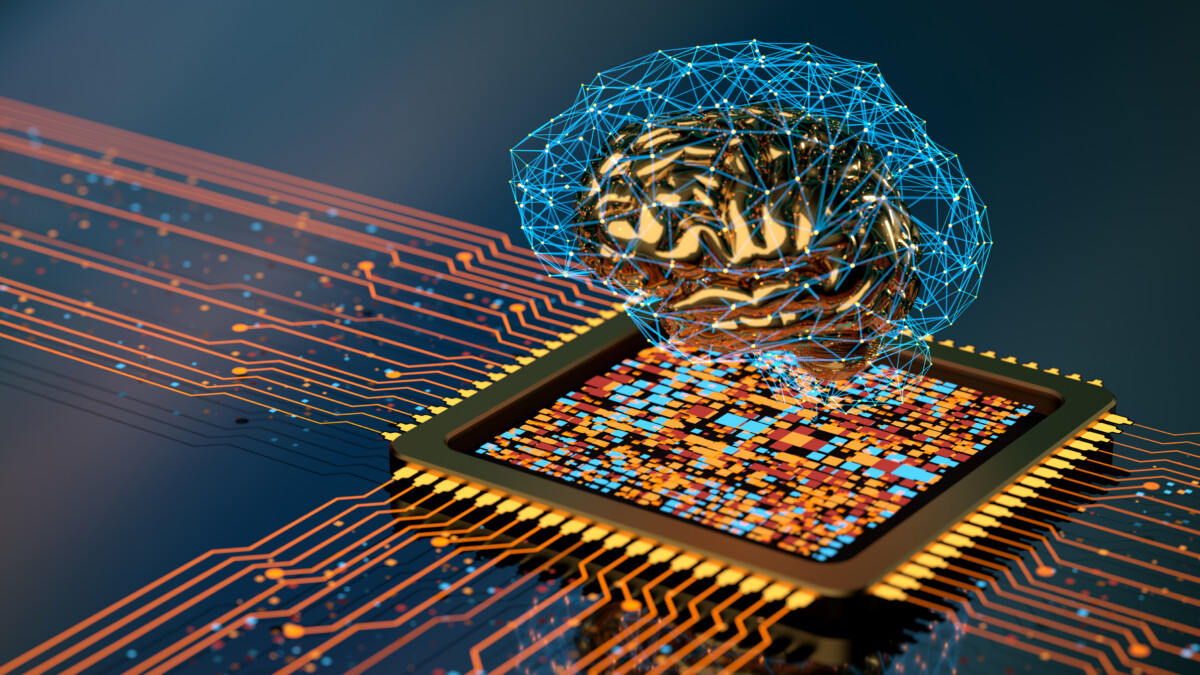
Mastering machine learning: A guide for IT managers
Machine learning is a branch of artificial intelligence that enables computer systems to learn and improve from experience without being explicitly programmed to complete a specific task. It has become an integral part of modern IT systems and is used in various applications, such as natural language processing, computer vision, fraud detection, and predictive maintenance.
This guide will provide an overview of the three types of machine learning and their applications in AI development services. It will also provide guidance for IT managers who want to gain a deeper understanding of ML to make informed decisions about AI projects.
Supervised learning
Supervised learning is a type of ML where the system is trained on labeled data, i.e., already categorized or classified data. This type of learning is used in applications such as image and speech recognition. In image recognition, for example, the system is trained on a labeled image dataset and learns to recognize new images by comparing them to the labeled images in the dataset. Similarly, in speech recognition, the system is trained on a dataset of labeled audio files and learns to recognize new speech by comparing it to the labeled audio files.
Unsupervised learning
Unsupervised learning is a type of ML in which the system is trained on unlabeled data, i.e., data that is not categorized or classified. This type of learning is used in applications such as clustering and anomaly detection. In clustering, the system is trained on a dataset of unlabeled data points and learns to group similar data points together. Similarly, in anomaly detection, the system assesses a dataset of unlabeled data points and learns to identify data points that are significantly different from the rest of the data points in the dataset.
Reinforcement learning
Reinforcement learning is a type of ML where the system learns by interacting with its environment and receiving feedback through rewards or penalties. This type of learning is used in applications such as robotics and game playing. In robotics, for example, the system is trained to perform a specific task by receiving rewards for completing the job correctly and penalties for finishing it incorrectly. Similarly, in game playing, the system is trained to play a game by receiving rewards for winning and penalties for losing.
Guidance for IT managers
IT managers who want to gain a deeper understanding of machine learning should start by familiarizing themselves with the three types of machine learning. They should also consider the following factors when deciding whether to use machine learning in an AI project:
- Data availability: Machine learning requires a large amount of data — labeled or unlabeled — to train the system, so it is essential to ensure sufficient data is available.
- Problem complexity: Machine learning is beneficial for solving complex problems that are difficult to unravel using traditional programming methods.
- Model interpretability: Some machine learning models are difficult to interpret, making understanding how the system makes decisions challenging.
- Scalability: Machine learning models can become computationally expensive as the amount of data and the complexity of the problem increases, so it is important to consider scalability when designing an AI system.
Future-proofing your AI projects
Machine learning is a powerful tool for developing AI systems that can learn and improve from experience. IT managers who want to make informed decisions about AI projects should get to know the benefits, drawbacks, and use cases for the three types of machine learning and consider factors such as data availability, problem complexity, model interpretability, and scalability when deciding whether to use machine learning in an AI project. With these considerations in mind, IT managers can master machine learning and build better AI systems for their organizations.
If you want to adopt machine learning in your upcoming AI project, get in touch. Take the opportunity to take your business to the next level with our cutting-edge artificial intelligence development services. Contact us today to start your journey towards smarter, more innovative, and more efficient operations.
Are you ready to explore how our team of experts can help?